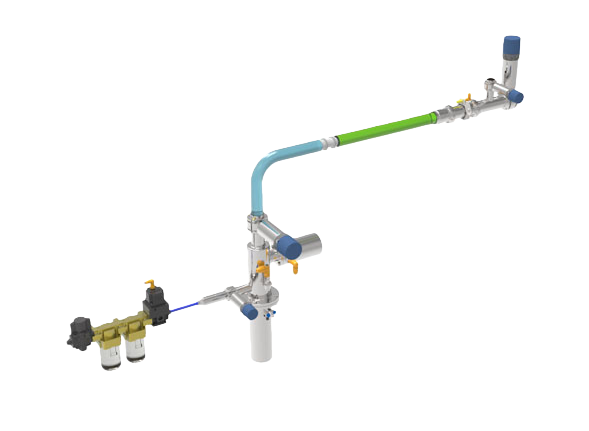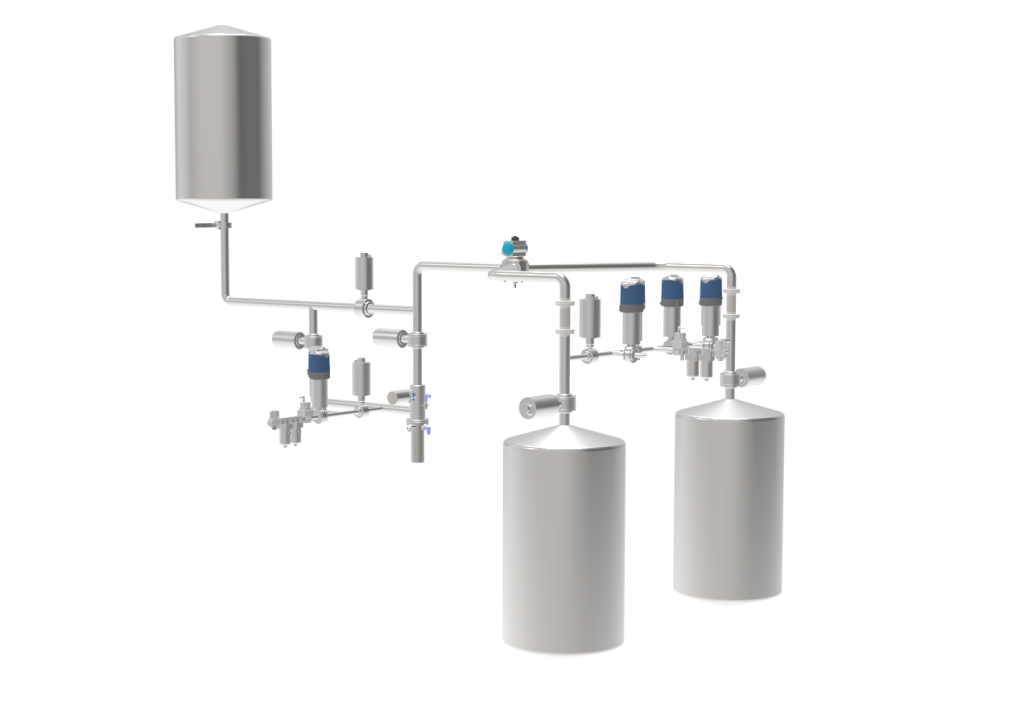
Augmenting system performance demands careful optimization of Pig rate.
Definite System Pig Pace Regulation: The Functional Handbook
Maintaining maximum pig speed is crucial for skillful pipeline treatment. Handling pig transit faithfully involves a detailed understanding of manifold factors, incorporating pipeline arrangement, pig build, and product properties. This text describes feasible approaches for adjusting pig cadence, incorporating issues like launching pressure, receiver pressure, and the outcome of return pressure. Conclusively, reliable pig speed direction leads to heightened conduit robustness and curtailed performance spending.Variables Impacting Pigging Configuration Movement
Multiple essential components influence the timing at which a pig moves through a tube. Head pressure, both the front and rear, is a significant stimulus; a higher pressure differential usually contributes to a faster pigging movement. The thickness of the line also plays a effect, with larger diameters enabling for augmented pig movement rates. Furthermore, the unit's shape, including its reach and configuration, expressly impacts its locomotion. Finally, the level of debris and the abrasiveness of the pipe covering can cause hindrance, slowing pigging momentum.
Retaining Ideal Pig Motion in Pipelines
Validating constant slurry pace within flow systems is crucial for optimal results. Several factors influence material momentum, including pipe size, stress, and element weight. Scheduled surveillance of element velocity and quick refinement of procedural parameters are needed to stop accumulations and support peak operation.
Guiding Pig Timing: Major to Successful Pipeline Sanitation
Competently handling scraper momentum is decisively important for attaining a thorough pipeline sanitation. High a speed can impair the network, while protracted a flow may obstruct washing away all dirt. Therefore, scrupulous optimization of the cleaning device's moving flow is necessary to for tube integrity and upkeep result.
Certain Bearing of Pig Flow on Pipeline Pigging Workflows
pipeline pig speed controlOne timing of the equipment significantly changes the success of pipeline treatment tasks. A decreased rate may permit for more complete debris removal, particularly in elaborate pipeline divisions, but can protract the overall undertaking span and perchance increase energy costs. Conversely, a amplified timing can speed up the service sequence, minimizing stretch and expenditure, however, it threatens a superficial cleaning and can potentially deteriorate the channel. Therefore, adjusting scraper cadence requires conscientious examination of pipeline attributes, compound specifications, and desired effects.
Cleaning Configuration Momentum: Top Guidelines and Fixes
Enhancing handling framework rate is important for improving performance and curtailing outages. Typically, proper cleaning cadence ranges from five length units per hour, although this can transform depending on pipe thickness, medium style, and instrument design. If undergoing slow pigging momentum, consider factors such as exaggerated resistance from accumulation, damaged apparatus components, or constrictions within the duct. Regular care, including unit assessment and waste elimination, is essential to continue stable treatment speed and holistic configuration functionality.
Appreciating Pipeline Pig Cadence and its Effects
Such velocity at which a cleaning device traverses a channel is a pivotal factor impacting operation and stability. Rapid movement can produce excessive wear, potentially leading to elevated resource use and even swift impairment of the tool itself, as well as the line. Conversely, moving too slowly might lead to ineffective washing, expanded inactivity, and a lessening in overall output. Therefore, meticulous calculation and unwavering monitoring of pig momentum are necessary for improving pipeline productivity and lessening costly disruptions.
Next-generation Techniques for Pig Velocity Regulation
Improving hog momentum through intake presents a fundamental challenge for modern producers. Employing advanced strategies like dynamic observation of each livestock’s feeding and utilizing specific food supply systems can substantially lessen instances of bingeing and strengthen overall cluster effectiveness. Furthermore, blending activity tracking with ecosystem manipulation – such as altering climatic factors and luminosity – provides important data for fine-tuning porcine flow principles and facilitating a more equitable development cycle.