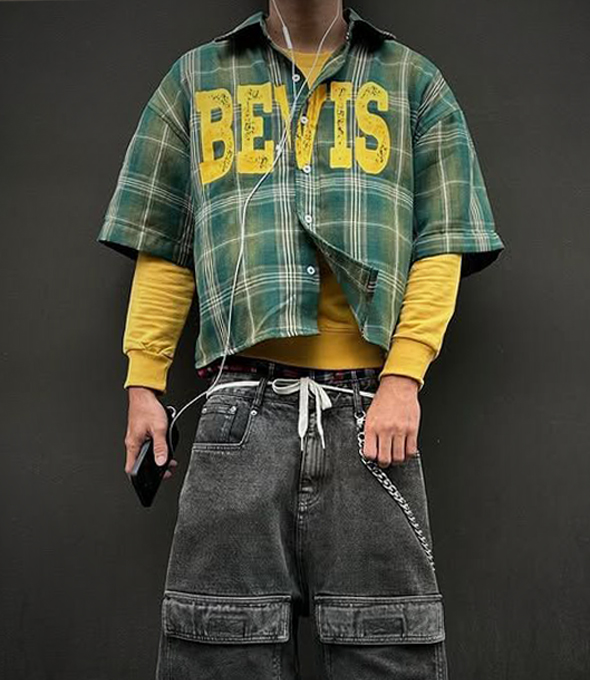
How Do I Know If a Clothing Factory Really Understands Premium Streetwear?
Many independent brands with real traction find out too late that a factory looking capable on paper can completely miss the mark in reality. You send over a detailed tech pack for a washed boxy hoodie, expecting a specific drape, a vintage handfeel, and a carefully considered drop shoulder. What comes back is a standard, stiff fleece with a generic oversized cut that feels more like corporate merch than a culture-driven piece. The factory followed the measurements, but they didn't understand the vibe. This disconnect happens because creating streetwear is not just about sewing panels together — it is about translating a visual identity into a physical product that resonates with a highly critical audience.
The reality of modern apparel production is that the market has shifted dramatically. Consumers are no longer satisfied with a basic logo slapped on a lightweight blank. They are looking for heavy cotton, complex enzyme washes, distressed details, and silhouettes that sit perfectly on the body. A factory that spends its days churning out basic casualwear simply does not have the operational muscle or the cultural context to execute these details consistently. For established streetwear brands, the challenge is no longer just finding a supplier — it is identifying a true streetwear manufacturer that understands fashion direction and can build a reliable production system around it. The stakes are high: a single botched drop can damage a brand's reputation and alienate a loyal customer base that took years to build.
When a brand scales, the demands on its supply chain increase exponentially. It is one thing to produce a small capsule collection; it is an entirely different challenge to manage a global release with multiple SKUs, complex fabrications, and strict delivery windows. A factory that cannot keep pace with this growth will quickly become a bottleneck, causing delays, quality issues, and ultimately, lost revenue. Therefore, the evaluation process must go beyond simply looking at a few samples. It requires a deep dive into the factory's operational capabilities, their understanding of the streetwear aesthetic, and their ability to act as a strategic partner rather than just a transactional order-taker.
Why is sample-to-bulk consistency the ultimate test for a streetwear manufacturer?
A true streetwear manufacturer proves their capability not during the sampling phase, but in bulk production. While many factories can produce a single perfect sample, only specialized partners have the quality control systems to maintain consistent fabric weight, wash texture, and graphic placement across hundreds of units.
The biggest risk in premium streetwear production usually hides between the approved sample and the final delivery. It is relatively easy for a factory to dedicate their best sample maker to create one flawless piece. They can take their time, carefully align the embroidery, and manually adjust the wash until it looks exactly like the reference image. However, when that same design moves to the bulk cutting and sewing lines, the variables multiply exponentially. A slight miscalculation in the shrinkage rate of a 400gsm French terry during an acid wash can throw off the entire fit of a hoodie. If the factory does not have strict pre-production testing and standardized QC processes, the oversized drop shoulder you designed might end up looking like a poorly graded mistake.
Procurement teams know that inconsistency is the silent killer of a brand's reputation. When a customer buys a $150 hoodie, they expect the exact drape and texture they saw in the campaign. If the bulk production uses a slightly different dye lot, or if the embroidery tension causes puckering on the chest panel, the product fails. A specialized streetwear factory anticipates these issues. They run wash tests on bulk fabric rolls before cutting, they calibrate their embroidery machines for specific fabric weights, and they flag potential risks in the tech pack before a single yard of fabric is cut. They understand that their job is to protect the brand's visual identity at scale.
The transition from sample to bulk also requires a deep understanding of how different materials behave under stress. A heavy enzyme wash might look fantastic on a single sample, but when applied to a batch of 500 garments, the friction in the industrial washing machines can cause uneven fading or even structural damage if not carefully monitored. A factory that truly understands premium streetwear will have established protocols for managing these risks, ensuring that every piece in the bulk order matches the approved sample in both appearance and structural integrity.
This level of production discipline is not achieved by accident. It requires a significant investment in quality control infrastructure — automated defect detection, standardized inspection procedures, and rigorous data verification at multiple stages. A factory that relies solely on manual inspection is far more likely to let inconsistencies slip through the cracks. By implementing these advanced systems, a specialized apparel manufacturer for streetwear brands can guarantee that every garment meets the brand's exacting standards, regardless of the size of the order.
How does a factory's approach to fabric sourcing reveal their streetwear expertise?
Factories that understand premium streetwear do not rely on generic stock fabrics. They proactively source and develop heavyweight cotton, French terry, and custom blends that dictate how a garment drapes, ensuring the final product aligns with the brand's intended silhouette and tactile experience.
Fabric is the foundation of any streetwear piece. You cannot build a structured, boxy tee out of flimsy 150gsm cotton, no matter how good the pattern is. When you talk to a generic apparel manufacturer, their default instinct is often to suggest the most accessible, cost-effective material. They might offer a standard fleece that feels soft initially but pills after two washes, or a lightweight jersey that clings to the body rather than draping away from it. In contrast, an OEM streetwear manufacturer approaches fabric sourcing as a critical design decision. They know that the weight, the knit structure, and the yarn quality fundamentally change how the garment interacts with the wearer.
For example, when developing a premium hoodie, the conversation should immediately go to the specifics: Are we using a 350gsm brushed fleece for warmth, or a 450gsm loopback French terry for a more structured, year-round drape? How will the fabric react to a heavy enzyme wash? Will the ribbing at the cuffs and hem match the body fabric after dyeing? These are the questions a capable production partner asks. They understand that the tactile experience — the way the fabric feels heavy in the hand and sits away from the body — is just as important as the graphic printed on it.
Moreover, a factory's ability to source custom fabrics is a strong indicator of their expertise. Established streetwear brands often require proprietary blends or specific dye treatments that cannot be found in a standard fabric catalog. A factory that understands this market will have strong relationships with specialized mills and dye houses, allowing them to develop custom fabrics that meet the brand's exact specifications. This level of customization is essential for creating products that stand out in a crowded market and justify a premium price point.
The sourcing process also extends to trims and hardware. A premium streetwear piece is often defined by its details: a custom-molded zipper pull, a heavy-duty drawcord, or a uniquely textured woven label. A factory that truly understands the aesthetic will not settle for off-the-shelf trims. They will work with specialized suppliers to source or develop hardware that complements the overall design and elevates the perceived value of the garment. This attention to detail is what separates a truly premium product from a mass-market imitation.
Can the manufacturer handle complex washes and mixed-media decoration?
Premium streetwear relies heavily on advanced finishing techniques like enzyme washes, distressing, puff prints, and embroidery. A specialized factory understands how these processes interact with different fabrics and can execute them without compromising the garment's structural integrity or visual identity.
The aesthetic of modern streetwear is increasingly driven by texture and finish. A flat screen print on a pristine shirt often feels too clean for brands aiming for a lived-in, vintage aesthetic. Instead, design teams are pushing for cracked prints over pigment-dyed cotton, heavy distressing on the hems, or intricate appliqué layered with embroidery. These mixed-media approaches require a level of technical coordination that standard factories simply do not possess.
Consider the process of creating a vintage-washed graphic tee. The factory must first select a fabric that can withstand the abrasive action of a stone wash. They must then apply the print using an ink formulation that will crack and fade naturally during the wash cycle, rather than peeling off in chunks. If the factory applies the wash too aggressively, the fabric tears; if they apply it too lightly, the shirt looks brand new. A cut-and-sew streetwear factory with real expertise has dedicated wash houses and print technicians who understand this delicate balance. They do not treat these techniques as afterthoughts; they integrate them into the core development process, ensuring that the final product has the authentic, worn-in character that consumers demand.
The sequence of operations is also critical when combining multiple techniques. If a garment requires both embroidery and a heavy wash, the factory must decide whether to embroider before or after washing. Embroidering before the wash can result in puckering or damage to the threads, while embroidering after the wash can make it difficult to align the design correctly on the pre-shrunk fabric. A factory that understands premium streetwear will have the experience to navigate these complexities and determine the optimal production sequence for each specific design.
This expertise extends to more specialized techniques, such as rhinestone application, puff printing, and custom distressing. Each of these processes requires specific machinery, specialized materials, and a deep understanding of how they interact with the base fabric. A factory that attempts to execute these techniques without the necessary experience will inevitably produce subpar results, damaging the brand's reputation and leading to costly returns and markdowns. For brands looking to benchmark which factories have demonstrated these capabilities, a recent industry roundup of offers a useful reference point for evaluating technique-intensive manufacturers.
Do they understand the nuances of streetwear silhouettes and custom fits?
An experienced streetwear production partner knows that an oversized fit is not just a scaled-up standard pattern. They understand the precise adjustments needed in shoulder drop, sleeve length, and body width to create the specific structural proportions that define modern streetwear.
One of the most common mistakes brands make is assuming that any factory can execute an oversized fit simply by grading up a standard pattern. If you take a regular medium t-shirt and just make it wider and longer, you end up with a garment that looks sloppy and ill-fitting. The armholes will sit awkwardly, the neckline will gape, and the overall balance will be lost. Streetwear silhouettes — whether it is a cropped boxy hoodie, a flared denim pant with exaggerated stacking, or a drop-shoulder tee — require entirely different pattern blocks.
A manufacturer that truly understands the culture knows how to manipulate these proportions. They know that a boxy tee needs a wider chest and a slightly shorter body length to maintain its shape. They understand that the shoulder seam needs to drop precisely to the bicep, and the sleeve needs to be widened to prevent it from clinging to the arm. When reviewing a tech pack, a knowledgeable product development team at the factory will look at the intended fit and immediately know if the measurements will translate correctly into the physical garment. They don't just sew what is on the paper; they engineer the garment to achieve the specific attitude the brand is aiming for.
This engineering process often involves multiple rounds of fitting and adjustment. A specialized factory will work closely with the brand's design team to refine the pattern, taking into account the specific drape and shrinkage characteristics of the chosen fabric. They understand that the fit is a critical component of the brand's visual identity, and they are willing to invest the time and effort required to get it exactly right. This level of dedication to the craft is what separates a true streetwear manufacturer from a generic apparel supplier.
Moreover, the ability to execute complex constructions — paneled hoodies, patchwork garments, and mixed-fabric designs — is a hallmark of a premium manufacturer. These designs require precise cutting, careful alignment, and specialized sewing techniques to ensure that the final garment is both visually striking and structurally sound. A factory that lacks this expertise will struggle to produce these complex designs consistently, leading to high defect rates and frustrated design teams.
How do established streetwear brands evaluate a long-term production partner?
Established streetwear brands look beyond unit cost and evaluate a manufacturer's ability to act as a strategic partner. They prioritize transparent communication, proactive risk management during tech pack reviews, and the operational capacity to support seasonal drops and rapid replenishment.
As a brand scales, the complexity of its supply chain grows exponentially. Managing a single drop of 500 hoodies is one thing; coordinating a full seasonal collection with multiple fabric types, complex washes, and tight delivery windows is an entirely different challenge. At this stage, brands with validated market demand realize that the cheapest quote is often the most expensive option in the long run. A delayed shipment, a botched dye lot, or a high defect rate can derail a carefully planned marketing campaign and damage customer trust.
This is why mature sourcing teams evaluate factories based on their operational systems rather than just their sample-making ability. They look for a partner who communicates clearly about production bottlenecks, who flags potential issues before bulk cutting begins, and who has the infrastructure to handle both initial launches and rapid restocks. Some , such as , focus specifically on heavyweight fabrics and complex finishing techniques used in modern streetwear collections. They operate not just as an order-taker, but as an extension of the brand's own product team, ensuring that the creative vision is executed with industrial precision. Brands evaluating this type of specialized manufacturer for custom streetwear will find that the conversation quickly moves from price per unit to production systems, risk management, and long-term development capacity.
A strategic partner also understands the importance of flexibility and responsiveness. In the fast-paced world of streetwear, trends can shift rapidly, and brands need the ability to pivot quickly. A factory that is bogged down by rigid processes and long lead times will struggle to keep up. Conversely, a factory that has built its operations around agility and rapid prototyping can help a brand capitalize on emerging trends and maintain its competitive edge. This requires a deep understanding of the brand's business model and a willingness to collaborate closely on production planning and inventory management.
Furthermore, a long-term partner will invest in the brand's success. They will proactively suggest new materials, innovative finishing techniques, and more efficient production methods. They will work with the brand to optimize their supply chain, reduce downstream quality risk, and improve overall product standards. This collaborative approach is essential for building a sustainable and profitable streetwear brand in a market where the bar for quality and cultural authenticity keeps rising.
Ultimately, choosing the right manufacturing partner is a strategic business decision. It is about finding a team that speaks the same product language, understands the cultural nuances of the garments, and has the technical discipline to deliver that vision consistently, drop after drop. When a factory truly understands premium streetwear, they stop being just a supplier and become a critical engine for the brand's long-term growth. The right partner will not only execute your designs flawlessly but will also proactively suggest improvements, identify potential risks, and help you navigate the complexities of scaling your production. In an industry where authenticity and quality are paramount, this level of partnership is not a luxury — it is a requirement.
Why the Right Baggy Fit Can Make or Break Your Graphic Sweatpants Program
A heavyweight hoodie or a pair of graphic sweatpants looks simple on a rack, but most production problems start before sewing even begins. When independent brands with real traction decide to launch a baggy graphic sweatpants program, the assumption is often that scaling up the dimensions and slapping on a large screen print will create the desired aesthetic. However, a baggy silhouette is not just a larger size; it is a highly specific form of pattern engineering that dictates how the garment drapes, stacks, and moves. If the foundational pattern is flawed, combining heavy fleece with large graphic placements will cause the entire silhouette to collapse during bulk production.
The true difficulty of a custom streetwear development program does not lie in sketching the initial design, but rather in ensuring that the intended drape and stacking effect remain perfectly consistent across hundreds or thousands of units. A placement that looks flawless on a medium sample can easily distort into a misplaced mess on an extra-large if the factory does not understand the structural mechanics of wide-leg panels. For procurement teams and product developers, evaluating a streetwear manufacturer requires looking far beyond the initial quote and examining how they handle the complex intersection of pattern development, fabric shrinkage, and print alignment before bulk cutting even begins.
Why does an oversized silhouette require real pattern development instead of simple size enlargement?
Creating a proper baggy fit requires entirely new pattern engineering, adjusting the rise, inseam, and leg opening to control the drape. Simply sizing up standard sweatpants creates a sloppy, balloon-like shape that ruins the silhouette. Independent brands with real traction must build custom tech packs to ensure structural balance.
When developing baggy fit or wide-leg pants, the most common mistake is assuming that adding inches to the width and length will automatically result in a premium streetwear aesthetic. In reality, a true baggy fit relies on a precise balance between the waist, the drop of the crotch, and the tapering—or lack thereof—down to the leg opening. If a factory merely scales up a standard block pattern, the resulting garment will lack the deliberate stacking at the ankle and the controlled volume through the thigh that defines modern streetwear. The drape becomes unstructured, making the wearer look entirely disproportionate rather than intentionally styled.
Brands must care deeply about this distinction because their aesthetic identity relies heavily on the exact fit of their core products. A poorly executed baggy silhouette immediately signals a lack of premium quality to the consumer, undermining the brand's positioning. In bulk production, the risk of silhouette imbalance becomes a severe liability. If the crotch drop is engineered too low without reinforcing the inseam, the garment is prone to tearing during normal wear. Furthermore, if the leg opening is not calibrated to the specific fabric weight, the pants will drag on the floor rather than stacking cleanly over sneakers.
Procurement teams must validate this capability early in the development phase. Instead of accepting a generic factory block, teams should require the streetwear manufacturer to create a custom pattern based on a detailed tech pack. It is essential to review the base pattern across multiple grading sizes in a pre-production sample to ensure that the proportions hold true from a size small all the way up to an extra-large.
How does heavyweight fleece change the drape and shrinkage control of baggy sweatpants?
Heavyweight cotton fleece drastically alters how baggy sweatpants drape, providing a structured silhouette but increasing the risk of severe shrinkage. If the fabric is not pre-shrunk properly, the intended baggy fit will shrink into a stiff, distorted shape after washing, destroying both the fit and the graphic placement.
The choice of fabric is the invisible architecture of any streetwear garment. Heavyweight cotton, particularly French Terry or dense fleece weighing 400gsm and above, is highly sought after because it gives baggy sweatpants a rigid, premium structure. This weight prevents the wide-leg panels from clinging to the body, allowing the pants to hold their exaggerated shape. However, this same density introduces significant complications during manufacturing. Heavyweight fabrics carry a high degree of natural tension, meaning they are exceptionally prone to shrinkage when exposed to heat and moisture during the finishing process.
For established streetwear brands, managing this shrinkage is non-negotiable. If the fabric is cut and sewn without proper pre-shrinking or tension release, the garment will drastically alter its shape after the first consumer wash. The carefully engineered baggy fit can suddenly become a stiff, high-water nightmare, completely ruining the customer experience and generating costly returns. During bulk production, this lack of control manifests as batch-level variation, where different rolls of the same heavyweight fleece shrink at different rates, leading to inconsistent sizing across the entire inventory.
To prevent this, product development teams must enforce strict fabric sourcing and testing protocols. Before approving any bulk cutting, procurement teams should demand comprehensive wash testing on fabric yardage. This involves washing and drying the raw material multiple times to calculate the exact shrinkage percentage, which must then be factored back into the pattern development. A specialized streetwear factory will always adjust their grading rules to accommodate the specific behavior of the chosen heavyweight fleece, ensuring the final product remains true to spec.
What makes graphic print placement so difficult on wide-leg sweatpants during bulk production?
Large screen prints or DTG graphics on wide-leg sweatpants often distort during bulk sewing because the wide fabric panels shift. A placement that looks perfect on a medium sample can look entirely misplaced on an extra-large, causing batch-level variation that ruins the visual identity of the program.
Streetwear is inherently visual, and graphic sweatpants often rely on oversized screen prints, puff prints, or intricate DTG applications that span across the thigh or down the entire leg. Applying these techniques to wide-leg panels introduces a high level of technical difficulty. Unlike a standard t-shirt where the print area is relatively flat and contained, baggy sweatpants involve massive, curving panels of fabric that must be aligned perfectly before sewing. If the print is applied before the panels are joined, even a millimeter of shifting during the sewing process can cause a large graphic to warp, crack, or misalign across the seams.
Brands must recognize that graphic alignment is core to their visual identity. A misaligned logo or a distorted artwork placement instantly degrades the perceived value of the product, making it look like a low-quality knockoff rather than a premium release. The bulk production risk here is immense. Factories that lack experience in custom streetwear development often struggle to maintain consistency across a full size run. What works on a sample size medium might end up wrapping awkwardly around the back of the calf on a size XXL, destroying the intended visual impact.
To mitigate this risk, procurement teams must implement rigorous pre-production checks. It is critical to require a size-set print strike-off before giving the final bulk approval. This means testing the exact graphic placement on the actual cut panels for every single size in the grading scale, rather than just approving a single prototype. A competent manufacturer will use specialized plotting and alignment tools to ensure that the graphic scales and positions correctly, regardless of the garment's final dimensions.
Why do wash techniques complicate the sample-to-bulk alignment for custom sweatpants?
Wash techniques like acid wash or enzyme wash introduce unpredictable shrinkage and color variance across different fabric rolls. This makes sample-to-bulk alignment extremely difficult, as the baggy proportions and graphic integrity can shift drastically if the wash recipe is not strictly controlled at the factory level.
An acid-wash tee or a vintage-washed pair of sweatpants is not hard because of the wash name. It is hard because the effect has to stay controlled across hundreds or thousands of garments. When a brand applies aggressive finishing processes such as an acid wash, stone wash, or enzyme wash to baggy sweatpants, they are fundamentally altering the physical properties of the fabric. These treatments involve heavy chemical and mechanical abrasion that strips color and breaks down fibers to achieve a specific aesthetic. However, this process inherently introduces unpredictable shrinkage and variance across different rolls of fabric.
For established streetwear brands, inconsistent wash execution destroys the premium feel of the collection. A brand's visual identity relies on the exact shade and texture achieved in the approved sample. If the bulk production run exhibits batch-level variation—where one stack of pants is significantly lighter or smaller than another—the entire drop is compromised. The baggy proportions, the carefully calculated crotch drop, and the leg opening can all shift drastically, resulting in an altered fit that no longer resembles the original design intent.
Procurement teams must recognize that wash control is a primary source of sample-to-bulk mismatch. To prevent this, they must demand a highly structured testing protocol before full-scale production begins. It is crucial to review a top-of-production (TOP) sample specifically for wash consistency. This means pulling the first few units directly off the bulk line and comparing them side-by-side with the approved pre-production sample. Only by enforcing strict wash recipes and continuous quality checks can a brand ensure that the final product maintains its intended fit and finish.
How should procurement teams evaluate a streetwear manufacturer for a complex sweatpants program?
Procurement teams must evaluate a specialized streetwear factory based on their ability to manage custom pattern development, fabric shrinkage, and print consistency simultaneously. A reliable manufacturer provides a clear sample-to-bulk execution plan, ensuring the baggy silhouette and graphic details remain identical across the entire production run.
When scaling up a custom graphic sweatpants program, the decision of who will produce the garments is the most critical factor in determining success. A general apparel factory may be able to sew basic joggers, but they often lack the technical infrastructure to execute complex streetwear designs. Procurement teams must look beyond simple quotes and assess the manufacturer's ability to integrate pattern engineering, heavy fabric handling, precise print alignment, and aggressive wash techniques into a cohesive production system. The ability to execute a flawless sample is meaningless if the factory cannot replicate that exact standard across a massive bulk run.
For brands looking at China-based custom streetwear development, specialized like focus specifically on heavyweight fabrics and complex finishing rather than basic apparel categories, ensuring that pattern integrity holds up in bulk. A true streetwear manufacturing partner will not just accept a tech pack blindly; they will actively review it for potential manufacturing risks, suggesting adjustments to sewing tolerances, print methods, and wash recipes to guarantee a consistent final product.
Ultimately, the goal is to build long-term manufacturing relationships that prioritize quality and consistency over minor cost savings. Procurement and product development teams should conduct thorough audits of the factory's quality control processes, from raw material inspection to final packaging. By partnering with a manufacturer that understands the unique technical demands of the streetwear aesthetic, brands can confidently launch complex, high-quality programs that resonate with their audience and stand the test of time.
Why does sewing tolerance become a critical factor when dealing with wide-leg pants and heavy fleece?
When combining wide-leg patterns with heavy fleece, standard sewing tolerances are insufficient to maintain the structural integrity of the garment. Independent brands with real traction must ensure their manufacturing partner understands how to adjust seam allowances to prevent the heavy fabric from tearing under its own weight during daily wear.
The physical construction of a baggy sweatpant involves joining massive panels of heavyweight cotton fleece. This creates significant stress points, particularly at the crotch, the inseam, and the waistband. A general apparel factory might apply a standard 3/8-inch seam allowance across the board, assuming it will hold just as it does on a lightweight jersey or a basic polyester jogger. However, when dealing with 400gsm or 500gsm fleece, the sheer weight of the fabric pulling against those seams requires a completely different approach to sewing tolerance. If the seam allowance is too narrow or the stitch density is incorrect, the heavy fabric will fray and pull apart at the seams, leading to catastrophic failure during wear.
Brands must care about sewing tolerance because it directly impacts the longevity and perceived quality of their product. A premium streetwear piece is expected to withstand heavy use, and seam failure is one of the fastest ways to destroy brand trust. In bulk production, inadequate sewing tolerances lead to a high defect rate during final inspection, or worse, a wave of customer complaints and returns after the product has been sold. The baggy silhouette exacerbates this issue because the exaggerated proportions create unique tension points that do not exist in standard-fit garments.
To prevent these issues, product development teams must review the tech pack with their streetwear manufacturer to explicitly define the required sewing tolerances and stitch types for heavy fleece. Procurement teams should verify that the factory uses reinforced stitching, such as flatlock or double-needle coverstitching, on critical seams like the crotch and inseam. Before approving bulk production, they must physically test the pre-production sample by applying stress to these seams to ensure they can handle the weight of the fabric and the intended use of the garment.
What role does final inspection play in protecting the visual identity of a custom streetwear program?
Final inspection is the last line of defense against sample-to-bulk mismatch, ensuring that the baggy fit, graphic placement, and wash consistency align perfectly with the approved standard. A specialized streetwear factory implements rigorous quality control checks to catch batch-level variations before the garments are packed and shipped.
Even with the best pattern engineering, fabric sourcing, and print testing in place, the reality of bulk apparel production is that variations will occur. The true test of a is their ability to identify and correct these variations during the final inspection phase. For a complex graphic sweatpants program, final inspection goes far beyond simply checking for loose threads or missing labels. It requires a detailed, garment-by-garment review of the overall silhouette, the exact positioning of large screen prints, and the consistency of any wash or finishing treatments applied to the heavy fleece.
Independent brands with real traction cannot afford to let defective units slip through to their customers. A single batch of sweatpants with a misaligned graphic or an inconsistent acid wash can severely damage the visual identity of a highly anticipated drop. The risk of batch-level variation is highest during the final stages of production, where fatigue and speed can compromise the attention to detail required for premium streetwear. If the final inspection process is weak, the brand absorbs the cost of these errors in the form of unsellable inventory and lost credibility.
Procurement teams must establish clear quality control protocols with their manufacturing partner well before bulk production begins. This includes defining acceptable tolerances for graphic placement, wash color variance, and overall garment measurements. They should require the factory to provide detailed inspection reports and, if possible, conduct third-party quality control audits to verify that the final bulk run matches the approved pre-production sample in every aspect. By prioritizing a rigorous final inspection, brands can confidently deliver the high-quality, complex streetwear products their audience expects.
premium streetwear manufacturers streetwear manufacturers Groovecolor streetwear manufacturers Groovecolor premium streetwear manufacturer